8:00 - 20:00
Mon - Sun
For more than a decade, SeaColors has studied and observed whales in their natural environment. What began as a passion for marine life has grown into a lasting commitment to science, conservation and responsible whale watching.

Every excursion is, first and foremost, a chance to observe, document and understand marine mammals in their natural environment — not just a sightseeing trip.
Over ten-plus years of continuous fieldwork we've logged species occurrence, group composition, behaviour and environmental conditions on every single expedition. Collected consistently across seasons, these observations reveal patterns — habitat preferences, social dynamics, responses to a changing ocean — that no single outing ever could.
We observe without interfering. That's not just an ethical stance: undisturbed behaviour makes for more reliable data, and it keeps whale welfare as the non-negotiable priority behind everything we log.
To promote a respectful relationship between people and whales through science-based observation, education and conservation.
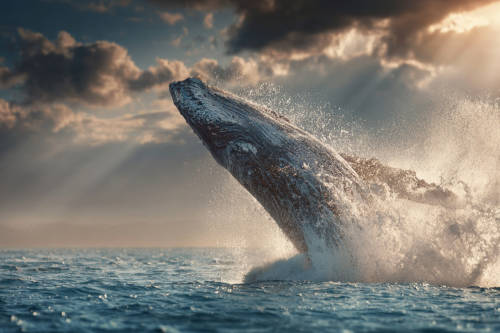
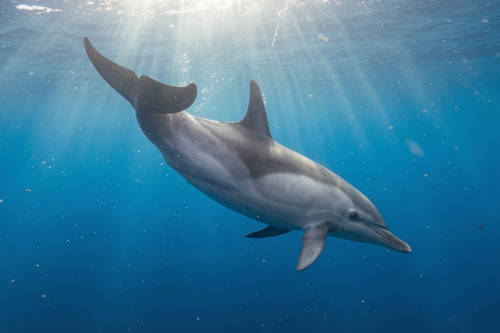
People protect what they understand. That's why every SeaColors trip doubles as a lesson in marine biology, ecology and ocean conservation.
We share the science behind what our guests are watching — biology, behaviour, communication, migration — turning curiosity into genuine appreciation. Understanding why human activity affects whales also builds the case for distance, patience and respect on the water.
Science, education and conservation aren't separate at SeaColors — they're the same mission, told from different angles, aimed at keeping whales and their habitats protected for generations to come.
SeaColors follows strict standards for responsible whale watching, placing animal welfare above every other consideration. We keep appropriate distances, minimise disturbance, and adapt to the whales' behaviour — never the other way around.
The oceans are changing fast — climate shifts, noise, pollution, growing pressure on marine ecosystems. Meeting that requires long-term commitment, continuous observation and reliable data, season after season.
Expanding continuous observation to catch trends no single season can reveal.
Refining how we collect and evaluate data, trip after trip.
Pairing research with experiences that turn guests into advocates.
Working today so whales and their habitats are protected tomorrow.
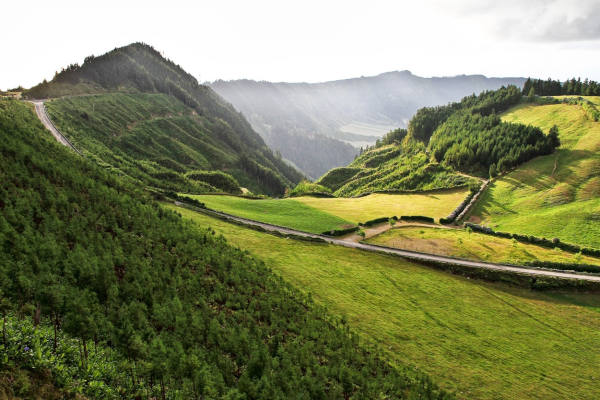
SeaColors is based on São Miguel Island, in the Azores archipelago, mid-Atlantic — nine volcanic seamounts rising from a plateau less than 2,000m below the surface, and a hotspot for an extraordinary range of marine species.


Marine biologists, skippers and lifelong ocean people — the faces behind every expedition. Tap a card to meet them.