8:00 - 20:00
Mon - Sun
Every trip feeds our long-term Photo-ID and behavioural catalogues — you don't just watch the ocean, you help document it.
Intimate expeditions instead of crowded decks, so every guest gets a real view — and a real briefing from our team.
Our skippers and guides work from the same data they collect, so every sighting comes with context, not just a photo.
We follow careful distance and approach protocols, because a good sighting should never come at the animal's expense.
Encounter whales, dolphins and breathtaking marine life in one of the world's most spectacular ocean sanctuaries. Every expedition is guided by passionate marine experts and designed to create unforgettable memories while protecting nature.
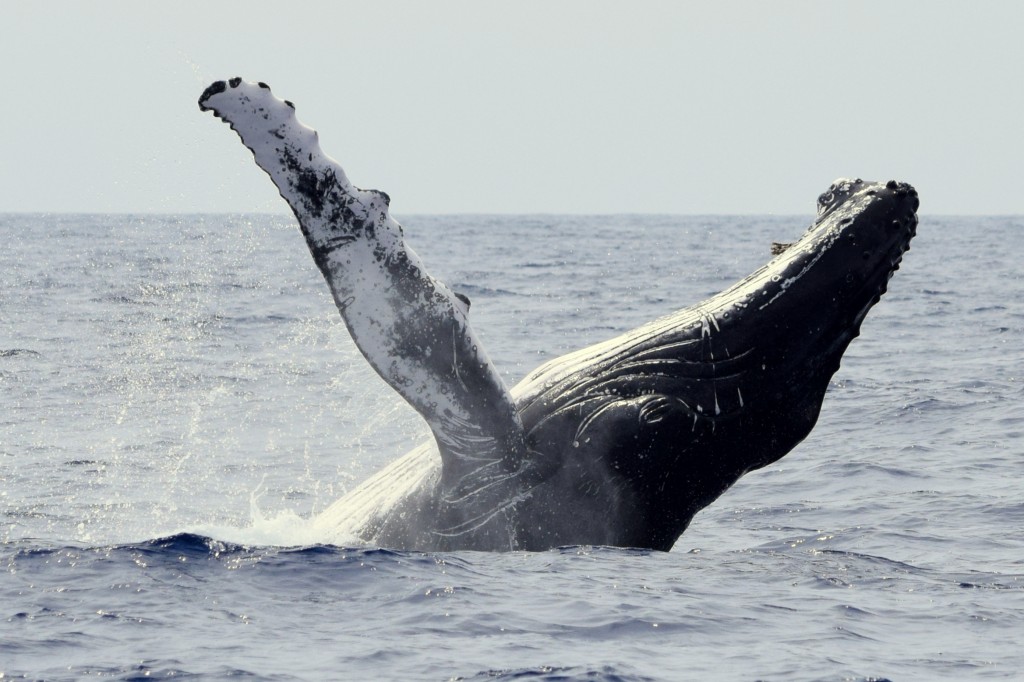
Meet whales and dolphins in their natural habitat together with experienced marine biologists, in a very respectful way to the animals.
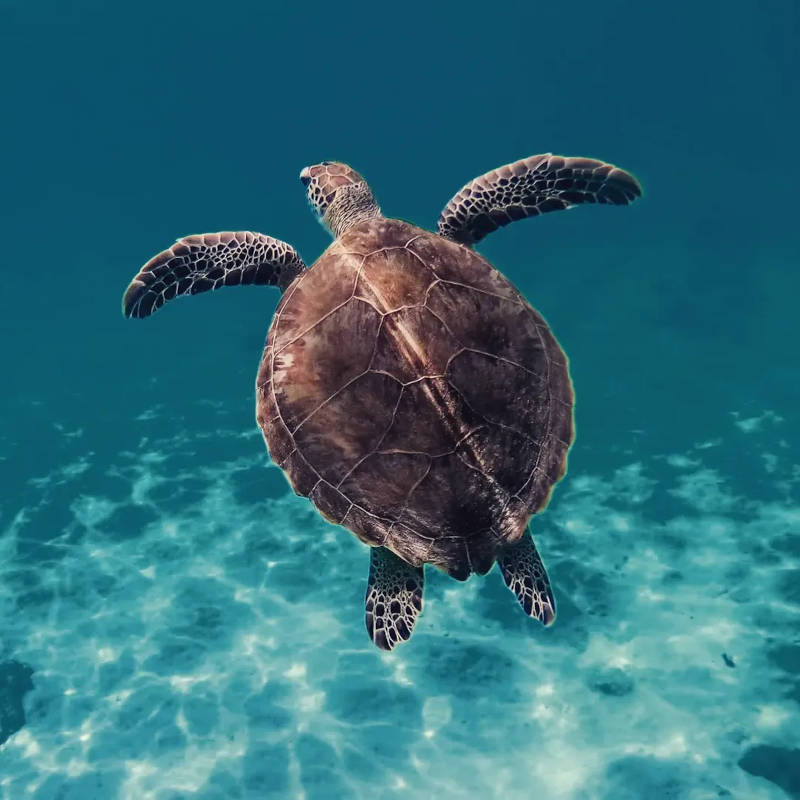
Explore crystal-clear volcanic waters and discover colourful fish, lava formations and hidden marine life just beneath the surface.
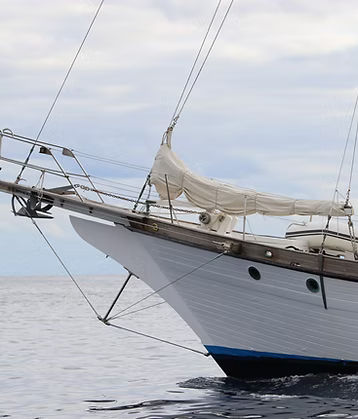
Enjoy the beauty of the Azorean coastline from the sea. Relax, swim and experience breathtaking views aboard our comfortable sailing yacht.
Join hundreds of happy guests who have experienced the breathtaking marine wildlife of the Azores with Sea Colors Expeditions. Whether you're looking for majestic whales, colourful underwater worlds or a relaxing sailing trip, your perfect ocean adventure is waiting.
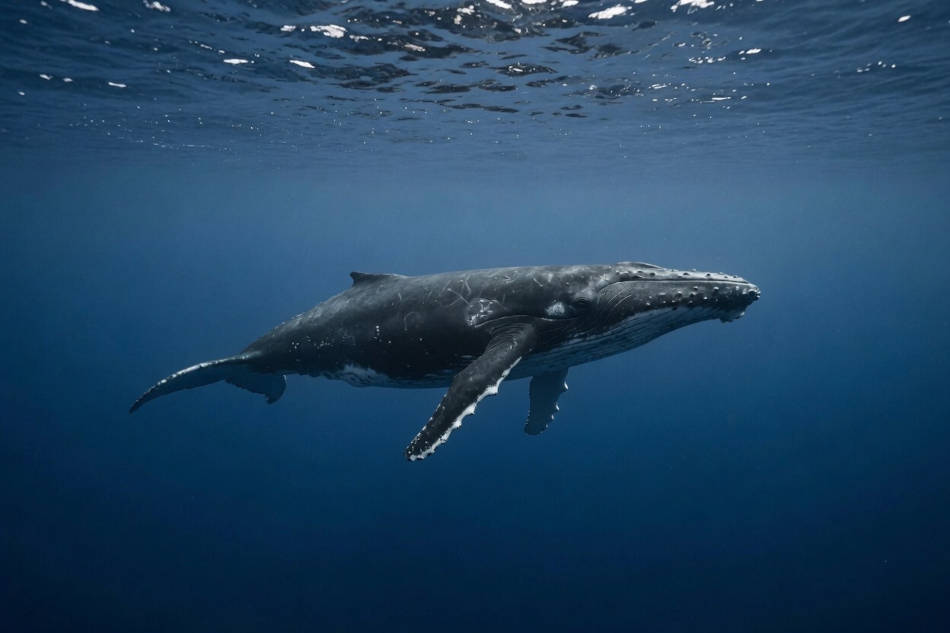 Most Popular
The waters of the Azores are one of the world's greatest sanctuaries for whales and dolphins, where every encounter happens on nature's terms. Our tours are guided by respect, observing whales from a safe distance and allowing all marine life to behave naturally. Along the way, you may encounter dolphins, sea turtles, manta rays, sharks, whale sharks, sunfish, flying fish, and many other remarkable species.
Every trip is more than a whale watching tour. As an active research and conservation team, we collect valuable scientific data and photo-identification images that contribute to the protection and understanding of the incredible wildlife that calls the Azores home. Guests are always welcome to be part of this process, making every journey a meaningful contribution to ocean science.
Join us to experience the wild beauty of the Azores, witness unforgettable wildlife encounters, and help protect these extraordinary animals for generations to come.
A glimpse of what awaits you out on the Atlantic.
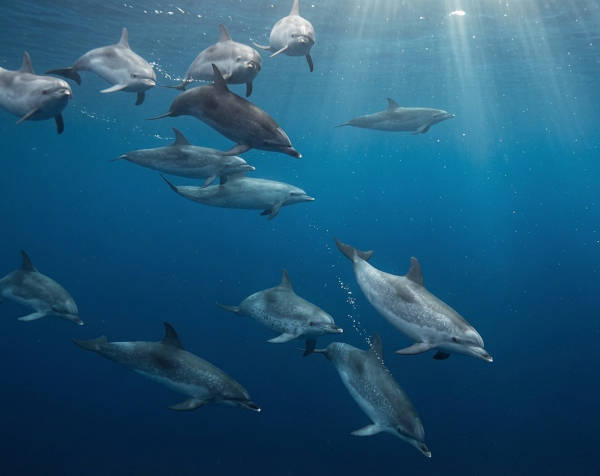
In-water encounters with dolphins for observation and study take place only when the dolphins are curious and receptive to our presence. If they're busy with other activities, or simply not in the mood, we never force ourselves on them.
Instead, we keep the option open for the moments they show us they welcome a connection — playful, curious and open to a good observation. It's a wonderful, emotional way to better understand their world and behavior, and the same respectful approach applies to whale sharks, mantas and turtles.
Join an ExpeditionThe coast around São Miguel is superb for snorkeling, with a huge variety of fish, crustaceans, mollusks and turtles. Drifting through the green-blue water you'll spot bright Parrotfish, schools of Bream and Damselfish, while crevices reveal sea stars, Octopuses, Groupers, Moray eels and the occasional turtle gliding by.
Coastal Snorkeling Expeditions are part of our long-term Coastal Survey Project, mapping the flora and fauna around São Miguel. Participants contribute directly to the survey — documenting key species and helping protect these habitats for the future.
If you're looking to relax out at sea, come aboard our comfortably equipped sailing vessel “Embrace”, a beautiful 15m ketch, perfect for the occasion. We often anchor in a bay close to the islet of Vila Franca — a luxurious sanctuary away from the crowds, surrounded by beauty and tranquility.
We carefully divide the boat into a front and aft area so you can enjoy your own space while relaxing after a refreshing swim, sipping a drink and enjoying each other's company. Lounging at sea is perfectly romantic for couples and just as entertaining for families or groups. Drinks and snacks are included.
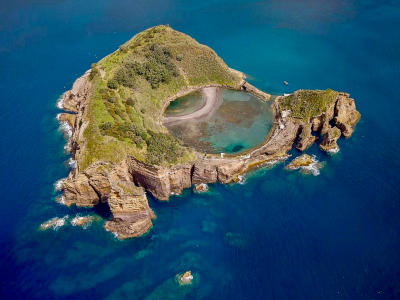
Princess Ring, or Vila Franca Islet, is a vegetated, uninhabited islet off the south coast of São Miguel. The entire islet and surrounding waters form a protected nature reserve.
We bring a maximum of 6 guests plus 2 crew members to explore and survey the coastal areas, marine life and marine birds for scientific purposes. Formed by a volcanic cone eroded by the sea over time, the islet hides underwater caves and stunning scenery for snorkeling exploration — following the same duration, group size, cost and equipment as our Coastal Snorkeling Expeditions.
Get In Touch
Marina Portas do Mar – Ponta Delgada
+351 918529795
info@seacolors.org